
Semi-Detached Home Movers — Shared Driveways, Party Walls & Tight Access
Moving a semi-detached home involves shared walls, limited driveway access, and tight interior layouts that require careful coordination. Professional Movers Canada manages these conditions through structured planning, protective systems, and controlled loading, ensuring a smooth, damage-free move without disrupting neighbouring properties.






Moving Solutions for Shared-Access Homes
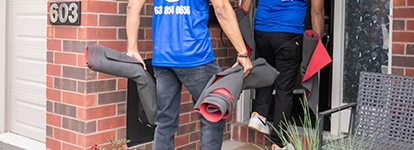
Room-by-Room Staging & Controlled Load Execution
Semi-detached homes require structured staging to manage tight layouts and shared access points. Our crews organize items by room before loading begins. Loading starts from the furthest areas and moves toward the exit. In multi-level homes, upper floors are cleared first, followed by main areas and basements, preventing congestion and maintaining a steady workflow.
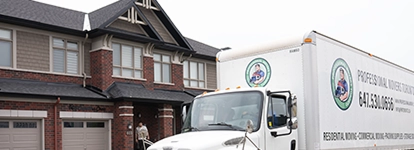
Neighbour & Shared-Wall Coordination Strategy
Shared-wall properties require precise coordination to avoid disruptions. Parking schedules, driveway access, and loading timelines are planned in advance to maintain clear access across shared driveways, porches, and entryways. In many semi-detached homes, limited driveway space or neighbour access can affect the flow of loading. Coordinated timing helps prevent delays and keeps the move progressing without conflict or interruption.

Entryway, Hallway & Party-Wall Protection Systems
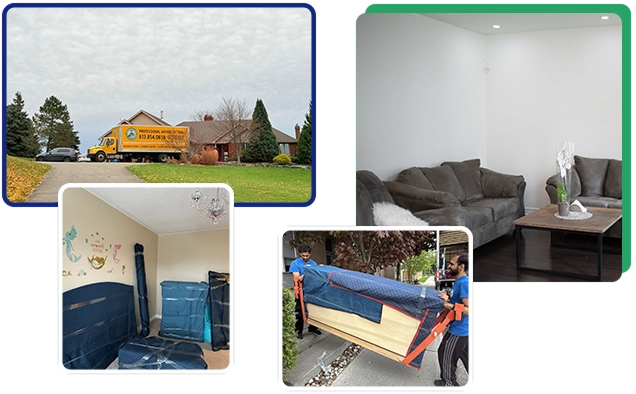
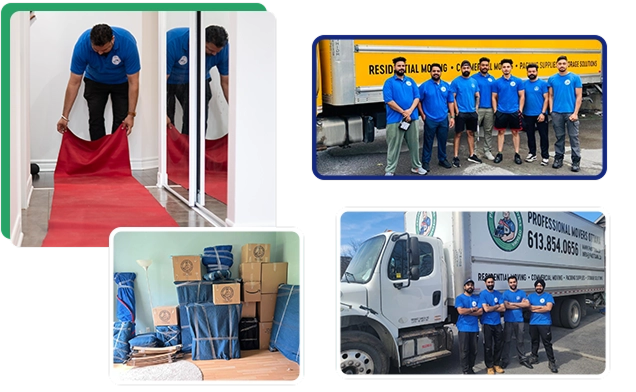
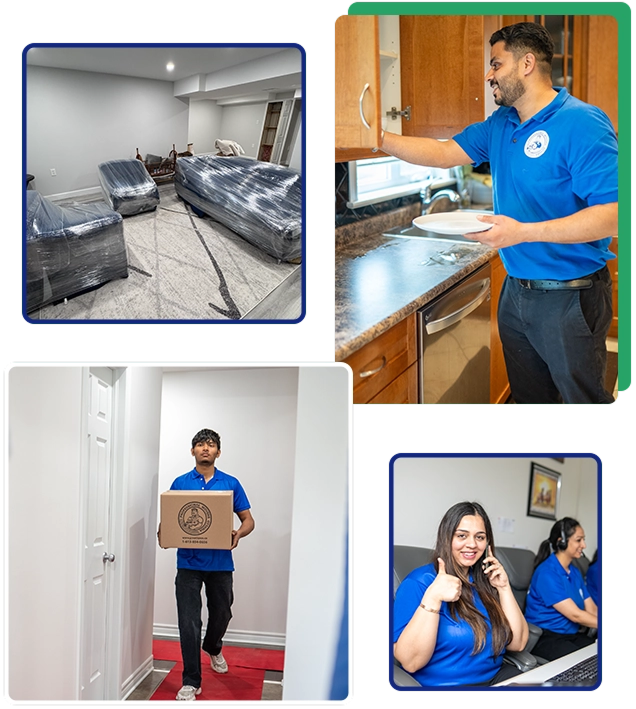
Semi-detached interiors feature narrow corridors, vestibules, and shared structural elements requiring advanced protection systems. We deploy door-jamb guards, neoprene floor runners, and full-surface padding across high-traffic zones. Banisters, railings, and walls are secured using impact-resistant materials, ensuring all structural surfaces, including party walls, remain protected throughout the relocation process.
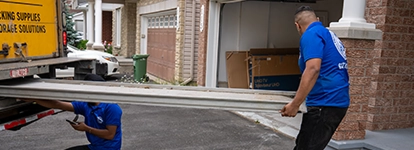
Driveway & Curbside Truck Staging Coordination
Limited driveway space and restricted street access require strategic vehicle positioning. Truck placement is planned based on driveway length, street clearance, and local parking regulations. In many semi-detached homes, particularly zero-lot-line properties, shared or limited driveway space can restrict access during loading. Proper staging helps maintain continuous workflow, preserves neighbour access, and reduces the risk of delays or compliance issues.

Basement Storage & Heavy Item Handling
Basements in semi-detached homes often contain heavy items such as freezers, washers, dryers, sectionals, and gym equipment. These require controlled handling through narrow staircases, tight turns, and older layouts such as Victorian-style stairwells. Appliance dollies, sliders, and weight-distribution techniques are used to move items safely. Where clearance is limited, items are staged and repositioned to prevent damage to stairs, walls, and flooring.
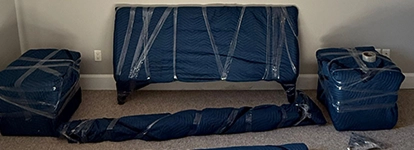
Furniture Disassembly for Access Clearance
Oversized furniture, such as sectionals, bed frames, wardrobes, and dining tables, may exceed doorway or hallway clearance. These items are disassembled on-site to allow safe movement through tight spaces. Each component is wrapped and labelled to protect surfaces and ensure correct reassembly, reducing the risk of damage during handling and transport.
20437
Moves Completed Across Canada
Client Experiences in Semi-Detached Moves

We share a single driveway with our neighbour, and I was worried it would slow things down. Midway through the move they needed access, but the crew adjusted quickly and cleared space without disrupting the schedule.
Mark D. (Semi-Detached Home, Brampton)

We moved recently in April 2026, and our hallway is narrow and right against the shared wall, so I was concerned about damage. There was light rain during the move, but everything was handled carefully through the tight hallway.
Emily R. (Semi-Detached Home, East York – Toronto)
We had a freezer and gym equipment in the basement that I expected would be difficult. The crew used the right equipment and took their time on the stairs. It was slower than expected, but everything was moved up safely without damage.
Priyam S. (Semi-Detached Home, Burnaby BC)
Semi-Detached Moving Challenges & How They’re Managed
Moving into or out of a semi-detached home involves shared walls, narrow lots, and limited driveway access. In neighbourhoods like Riverdale, Leslieville, and East York in Toronto, or areas such as Richmond Hill and Brampton, restricted frontage and shared driveways can delay loading if not coordinated. Without proper planning, issues such as blocked driveways, tight entryways, or limited parking can disrupt workflow and increase move time. One of the most common causes of delay is uncoordinated driveway access between neighbouring properties.
“A shared driveway can slow down a move quickly if timing isn’t aligned,” says Ajay, part of the operations team at Professional Movers Canada, highlighting a common issue during shared-access relocations. Coordinated staging and access planning help maintain workflow and protect both properties during the move.
48-Hour Neighbour Checklist for Semi-Detached Moves
- Room-by-Room Preparation: Organize items by room and clear pathways to maintain flow and reduce congestion during loading.
- Shared-Wall Protection: Remove wall hangings, clear vestibules, and prepare narrow corridors to allow safe movement and prevent impact damage.
- Driveway & Access Planning: Inform neighbours at least 48 hours in advance, confirm shared driveway timing, and secure street parking where needed, especially in zero-lot-line properties.
- Entryway & Space Clearance: Clear entryways, shared porches, rugs, and obstacles to allow proper placement of floor runners and equipment.
Following these steps helps prevent delays, improve coordination, and maintain smooth access and loading on moving day.
Licensed & Insured for Shared-Access Properties
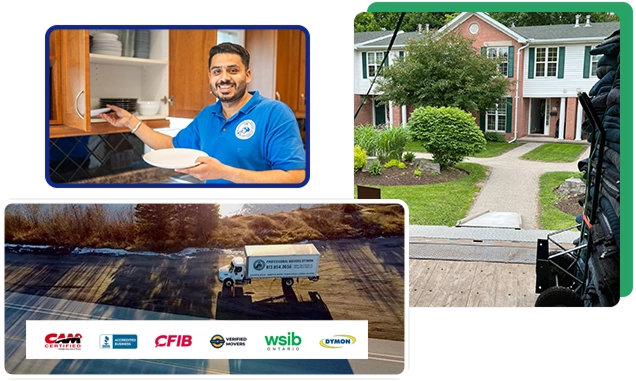
Verified credentials ensure compliance with industry standards and coverage for shared structures, including party walls, helping protect against potential damage during the move.
- WSIB Insured
- BBB Accredited
- CAM (Canadian Association of Movers) aligned operational standards
- Verified Movers Approved
- Moving Waldo Certified

Serving Shared-Access Homes Across Canada’s Major Urban Regions
Complete Moving Services for Shared-Access Homes

Full-Service Move Management
From packing and staging to wall protection, loading, transport, and setup, every step is handled in a clear, organized sequence.

Licensed & Insured Coverage
Verified credentials and full coverage ensure safe handling across shared walls, tight access points, and restricted layouts.

Shared-Access Coordination
Driveways, parking, and neighbour access are planned to prevent delays and maintain workflow.

Transparent Pricing
Upfront estimates based on layout, access, and inventory, with no hidden fees.

Flexible Storage Options
Secure, climate-controlled storage for closing gaps, renovations, or delayed move-in dates.
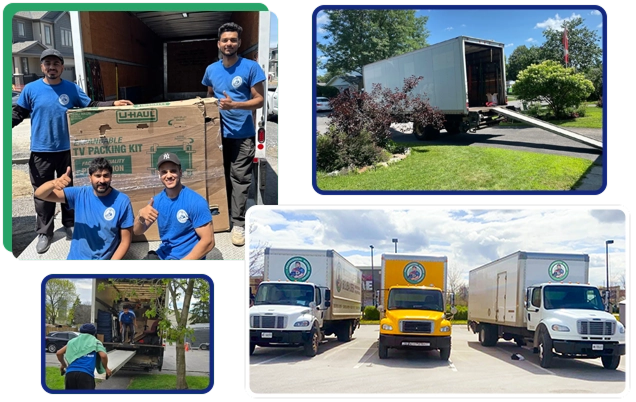
Who We Serve – Homeowners in Shared-Access Properties
- Urban Professionals & Busy Households: Moves planned around tight schedules, limited parking and restricted access conditions common in high-density neighbourhoods, requiring efficient coordination and minimal disruption.
- Families in Established Neighbourhoods: Homes in areas like Leslieville, Riverdale, and Kitsilano often involve narrow lots, shared walls, and restricted entryways, requiring careful staging and protection.
- Fully Furnished Homes with Basement Storage: Moves involving sectionals, pianos, freezers, and gym equipment require controlled handling through tight staircases and limited clearance areas.
- Downsizing & Transition Moves: Homeowners moving from detached to semi-detached properties often require furniture disassembly, space planning, and selective packing for efficient setup.
Moving Tips and Planning Guides
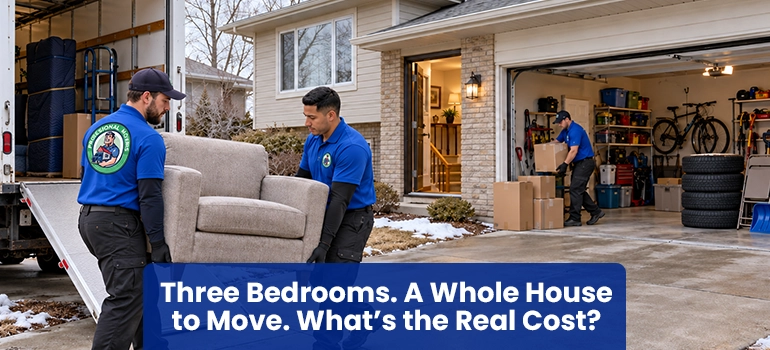
October 15. 2026
Cost to Move a 3-Bedroom House in Calgary
Moving a 3-bedroom house in Calgary typically costs $1,000 to $2,400 in labour, usually with three to four movers over…
Read More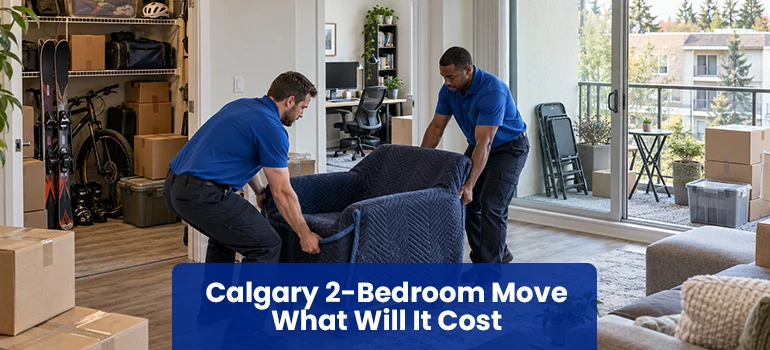
October 9. 2026
2-Bedroom Moving Cost in Calgary: What Your Estimate May Miss
A two-bedroom move in Calgary may fall around $550–$1,250 in labour as a planning range. Two or three movers and…
Read More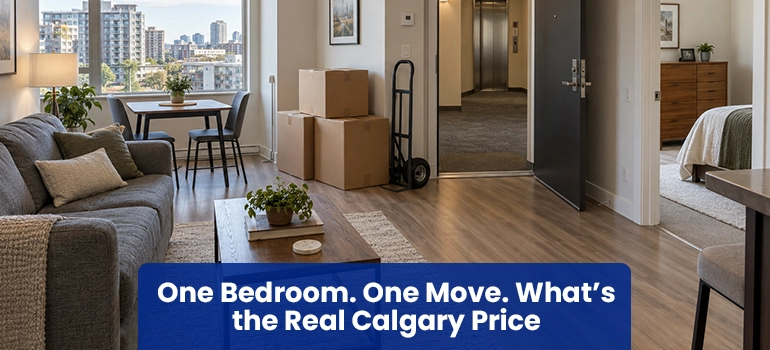
October 5. 2026
How Much Does It Cost to Move a 1-Bedroom Apartment in Calgary?
Moving a 1-bedroom apartment in Calgary can look straightforward until you account for the things that actually take time. Carrying…
Read More
October 5. 2026
Calgary Hourly Moving Rates: What You’ll Actually Pay
Hourly rates can range from $145 to $320 per hour, depending on crew size. As a general guide, two movers…
Read More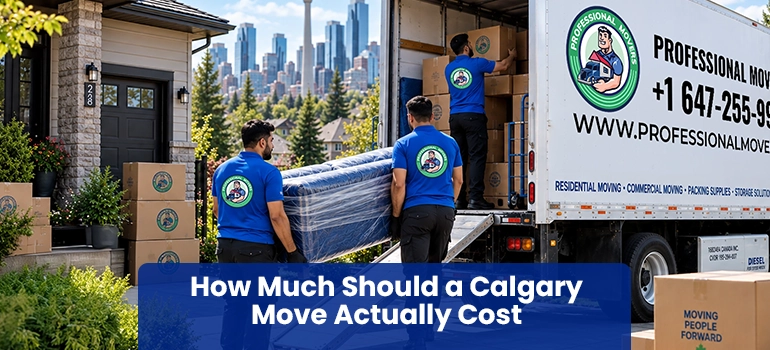
September 24. 2026
How Much Do Movers Cost in Calgary? A 2026 Pricing Guide
Movers in Calgary typically charge around $145–$320 per hour depending on crew size, with total moving costs ranging from approximately…
Read More
September 16. 2026
How Much Do Movers Cost in Toronto in 2026? Hourly Rates, Home Size & Examples
At Professional Movers Toronto, our regular-day rate for two movers is currently $129–$139 per hour, while peak-day pricing starts at…
Read More
September 3. 2026
Burnaby Strata Moving Rules: Approval, Fees and Elevator Booking
Moving into a Burnaby condo can seem simple at first. You choose a date, book the movers and arrange the…
Read More
August 26. 2026
7 Secrets to Find The Best Toronto Mover
Finding movers is not hard. But it takes time to pick the best and most reliable mover in a busy…
Read More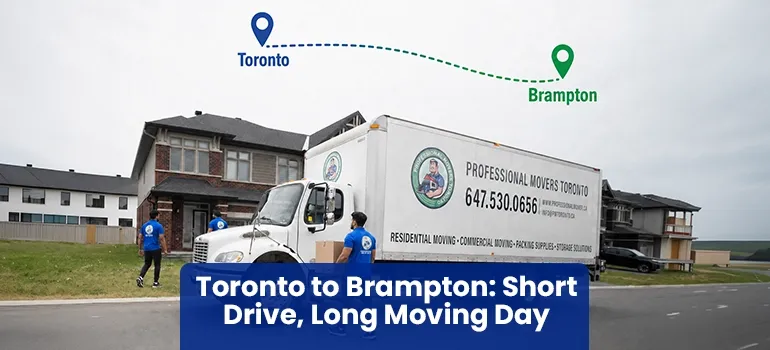
August 24. 2026
Moving From Toronto to Brampton: Why a 40-Minute Drive Can Still Become a Multi-Hour Move!
A Toronto-to-Brampton move can look straightforward on a map. Your route planner may show a drive of around 40 minutes.…
Read More
August 21. 2026
Moving Schools in Canada: Mid-Year and Summer Planning for Families
A family move can change more than the address on a school record. A new home may also mean a…
Read MoreSemi-Detached Moving FAQs
A typical semi-detached home move takes 5 to 8 hours. Timing depends on property size, number of floors, and driveway access. Basement items, narrow staircases, or shared-access constraints may require additional time.
Most semi-detached moves are priced based on labour time, access, and inventory volume. Factors such as shared driveways, long carry distances, and heavy items can increase costs. Detailed written estimates are based on these conditions.
Protective padding and floor coverings are used to prevent damage during the move. Door frames, floors, staircases, and shared walls are secured using runners, padding, and stretch wrap to reduce impact risk.
Yes, notifying neighbours is recommended for semi-detached moves. Shared driveways and access points may require coordination to avoid delays and maintain clear access during loading.
Basic moving coverage is included, but Packed-By-Owner items may have limited protection. Full coverage typically applies when items are professionally packed using industry-standard materials.
Most semi-detached moves require 3 to 4 movers. Larger homes or restricted access conditions may require additional crew members to maintain efficiency.
Common delays include parking restrictions, conflicts with shared driveways, and tight access points. Proper planning, access coordination, and early scheduling help reduce these risks.
Prepare by clearing pathways, organizing items by room, securing parking access, removing fragile wall items, planning for furniture disassembly, and keeping essentials accessible for moving day.