
Alberta Movers for City, Regional, and Rural Relocations
Professional Movers Alberta for Local, Long-Distance, Condo, and Business Moves
Moving in Alberta can look very different from one route to the next. A Calgary condo move may depend on elevator timing and loading zones, an Edmonton house move may need winter scheduling buffers, and a rural acreage move may need longer truck staging and driveway planning.
Calgary condos • Edmonton house moves • Rural acreages • Alberta intercity routes
How Alberta Moves Change from One Region to Another
Moving in Alberta rarely follows one pattern. A condo move in Calgary may depend on elevator timing, loading zones, and downtown access, while a house move in Edmonton may need more room for driveway setup, winter scheduling, and larger furniture handling. Outside the cities, acreage and rural moves often involve longer driveways, garage or outbuilding items, and more truck staging space. Intercity Alberta moves add another layer, because distance, route timing, and weather can affect the whole day.







Move Types We Handle Across Alberta
From downtown condo moves to rural acreage relocations, our Alberta moving services are planned around the type of property, the route, and the conditions that shape moving day.


20437
Moves Completed Across Canada
What Our Customers Are Saying

Elevator timing, loading zone, tower rules
Jason Mitchell

Driveway conditions, timing buffer, furniture protection
Laura Bennett
long carry, garage / outbuilding items, truck staging
Kevin Stewart
What Actually Changes a Move in Alberta
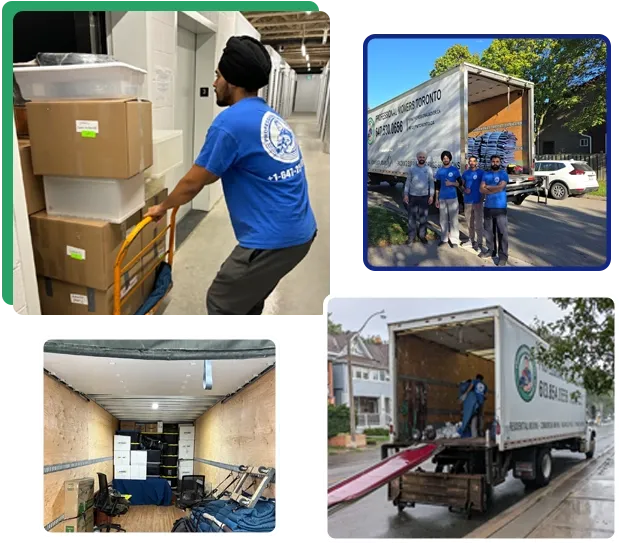
Moving in Alberta can feel straightforward until the route, the property, and the season start shaping the day. A Calgary condo move may depend on elevator timing and loading-zone access, while an Edmonton house move may need more room for driveway setup and winter scheduling. Outside the cities, acreage and rural moves often involve longer driveways, garage or outbuilding items, and more truck staging space. Intercity Alberta moves add another layer, because distance, weather, and timing can affect the whole schedule.
That is where planning matters most. When a move involves longer routes, tighter access, heavier household items, or changing road conditions, clear preparation makes a noticeable difference.
Coverage and professional standards matter too, which is why details such as WCB Alberta coverage, BBB accreditation, CAM certification, and Verified Movers approval help reinforce trust when the move is more complex.
A smoother Alberta move usually comes down to a few things done properly: the right route, enough timing buffer, clear property access, and a plan that fits the distance, the season, and the type of home or building involved.
Why Calgary, Edmonton, and Rural Alberta Moves Need Different Planning
A move in Alberta can look very different depending on where it starts, what kind of property is involved, and how much access or travel planning the day requires.
Calgary
In Calgary, moves often depend on building access as much as the move itself. Condo towers, elevator bookings, loading zones, downtown traffic flow, and limited curb access can all shape how the day runs. When the property is in a busier part of the city, timing and building coordination usually matter more than the distance on the map.
Edmonton
In Edmonton, detached homes, garages, driveways, and winter conditions often play a bigger role. A move may look simple on paper, but snow, ice, driveway setup, and larger family-home inventory can all affect how much time and space the move actually needs. This is where schedule buffer and property access become just as important as the truck and crew.
Rural Alberta
Rural and acreage moves usually need a different kind of planning altogether. Long driveways, larger properties, sheds, outbuildings, and longer carries can change how the truck is staged and how the inventory is loaded. Distance also matters more on these moves, because route timing, weather, and property layout can all affect the pace of the day.

Questions That Change an Alberta Move Plan
Some moves look simple until the details start changing the schedule. The route, the property type, the season, and the access around the building or home can all change how the day needs to be planned.

Is the move local, intercity, or cross-province?
A move across one neighbourhood is usually planned very differently from a move between Calgary and Edmonton or a longer route across Alberta. Distance affects timing, truck scheduling, and how tightly the day needs to be paced from start to finish.

Is the property a condo, house, office, or acreage?
A downtown condo, a detached family home, and a rural acreage all bring different access conditions. Elevators, driveways, garages, loading zones, stairs, and outbuildings can all change how the move needs to be set up.

Will weather affect timing or access?
In Alberta, weather can change the pace of a move quickly. Winter conditions, icy driveways, wind exposure, and longer highway routes can all affect truck timing, entry points, and how much buffer the schedule needs.

Are there garage, basement, or outbuilding items?
Moves often take longer when more inventory is sitting outside the main living space. Garages, basements, storage rooms, sheds, and acreage outbuildings can add volume and change the way loading is staged.

Does the building need elevator timing or loading access?
Condo and apartment moves often depend on more than the truck. Elevator booking windows, loading zones, tower access, and building rules can all shape the move before loading even starts.

Is the move tied to a closing date, lease date, or business handover?
Some moves need more control because the timing cannot slip. Closing dates, possession dates, lease changes, and office handovers all make schedule planning more important from the start.

Serving Alberta’s Suburbs and Surrounding Communities
- Greater Calgary Area: From Airdrie and Cochrane to Okotoks and Chestermere, moves in the Calgary region often involve condos, townhomes, newer suburban streets, and busier move timing. Access can change quickly depending on the building, the block, and how much driveway or curb space is available.
- Edmonton Capital Region: Across St. Albert, Sherwood Park, Spruce Grove, and nearby communities, detached homes, garages, and winter driveway access often play a bigger role. These moves usually need a little more attention to seasonal timing and property setup.
- Central Alberta Communities: In places like Red Deer and the surrounding region, city-to-city timing often matters more than dense building access. Longer travel windows, home volume, and route pacing can shape the move as much as the property itself.
- Southern Alberta Region: Lethbridge and nearby areas often involve more open layouts, larger lots, and wider access, but weather exposure and wind can still affect setup and timing. These moves often benefit from a cleaner loading plan before the day begins.
- Northern Alberta: Longer distances, more remote access points, and tighter schedule planning can make northern Alberta moves feel very different from urban relocations. In these cases, route timing and property access usually carry more weight than city traffic.
How Alberta Moves Are Planned Before Moving Day

Route and distance planning
A move inside one city usually runs differently from a move between Alberta regions. The route, traffic pattern, highway distance, and total travel time all affect how the day should be scheduled.

Building and driveway access
Some moves are shaped by elevator timing and loading zones. Others depend on driveway width, garage access, stair layout, or how close the truck can get to the home. Those details usually matter more than people expect.

Winter and seasonal timing
Snow, ice, wind, and shorter daylight hours can all affect access and timing during colder months. Seasonal conditions do not stop a move, but they do change how much time and flexibility the day may need.

Packing and staging for longer moves
Longer Alberta moves usually work better when the loading plan is organized before moving day. That includes how items are packed, what stays accessible, and how the truck is staged when the route is longer or the property is harder to load from.

A Track Record That Shows Up on Moving Day
Reliability is a result, not a claim. From high-stakes office relocations to sensitive senior moves, execution is defined by elite, vetted crews who arrive ready to deliver with disciplined coordination.


Future Service Locations
- Grande Prairie | Northwestern Corridor And Resource Hubs
From Airdrie and Cochrane to Okotoks and Chestermere, moves are planned around cul-de-sacs, acreages, and local access points. Our Calgary movers understand how to handle both dense neighbourhoods and wider rural properties. - Lethbridge | Southern Corridors And Environmental Planning
Preparations are underway to bring a new level of logistical certainty to the South. Future service focuses on the coordination required for the region’s high-wind environments and open-layout residential access. - Medicine Hat | Southeastern Transit And Reliability
Service to the Gas City is built for the sun-drenched stretches of the Trans-Canada. Every logistical detail is being refined to handle the specific distances and community layouts of the Southeast. - Lloydminster | Border-City Operations And Regional Access
Expanding to the provincial border requires a dual-market perspective. We aim to focus on seamless regional access and the coordination needed for moves crossing into the Eastern corridors. - Fort McMurray | Northern Reach And Wood Buffalo Readiness
The trip north is a serious haul that takes more than just a truck. Preparations are underway to handle the long road distance and the unique conditions of the Wood Buffalo region.
Moving Tips and Planning Guides

January 16. 2026
Practical Tips for First-Time Homebuyers in Canada
Buying your first home? You must be very excited. Your internet browser is burning from searching real estate ads. Okay,…
Read More
July 15. 2022
3 Rules for Downsizing When Moving
When moving home, downsizing is a great thing to do. It will save you a lot of money, space, and…
Read More
January 12. 2022
3 ways to get to know a new neighborhood
When the relocation is over, what do you do? Do you simply sit down and chill? Or do you look…
Read More
July 13. 2021
4 packing tips you should always use
There are many different ways to organize the packing process. When getting ready for the move, it’s not easy to…
Read More
November 28. 2021
5 secrets to efficient packing
If the time for you to relocate has come, then you should make sure to find out as much as…
Read More
January 1. 2022
5 Tips to Ensure A Safe Move
Safety comes first no matter whether you are moving across town or long-distance. Moving is a stressful endeavor and added…
Read More
June 7. 2021
5 traits to look for in reliable movers
Planning a move to a new home is never a dull process. It is always going to be a challenging…
Read More
June 2. 2022
9 Tasks To Do Before The Movers Arrive
Preparing for the move is a process not everyone looks forward to. It can take a lot of time, and…
Read More
May 15. 2022
6 smart money saving moving tips
Moving is such an exciting event, but it sure is a challenging one. Since there are so many things to…
Read More
March 7. 2025
Estate relocation in Canada: How professional movers handle high-value home moves
Estate relocation in Canada involves more than simply moving items; it demands meticulous planning and an in-depth understanding of logistics.…
Read MoreCommon Questions About Moving in Alberta
Many condo moves in Calgary depend on elevator timing, loading access, and building rules. In busier towers, the move window can shape the entire schedule, so it helps to confirm access details before choosing the final moving time.
Winter does not stop a move, but it can change how the day needs to be planned. Driveway conditions, snow, ice, and slower loading can all affect timing, especially at detached homes or larger residential properties.
Yes. A city-to-city move usually needs more route planning, more timing control, and a clearer loading plan than a local move. Distance changes the pace of the day and can affect how tightly the schedule needs to be managed.
Yes, but those moves usually need a different setup. Longer driveways, truck placement, garage items, outbuildings, and wider property layouts can all change how the move is staged and loaded.
The biggest cost factors are usually the size of the move, the type of property, access conditions, travel distance, and the time of year. A condo move with tighter access may take longer than expected, while a rural move may involve more staging and travel time.
Summer dates usually fill faster, especially around month-end and long weekends. Booking earlier gives you better flexibility with dates, timing, and the kind of crew or truck setup the move may need.
Find a location Near me
Contact Us
Give us a call today, we’re ready to help. Planning your move with our team is easy and convenient.