
Expert Healthcare Movers for Clinics, Hospitals, and Medical Equipment
Relocating a clinic or hospital isn’t a routine move. It requires control over equipment, timelines, and internal coordination. Professional Movers Canada works with healthcare teams to plan and execute moves without interrupting clinical workflow. As specialized movers for medical clinics, we assess risks early and manage every stage with accountability and precision.






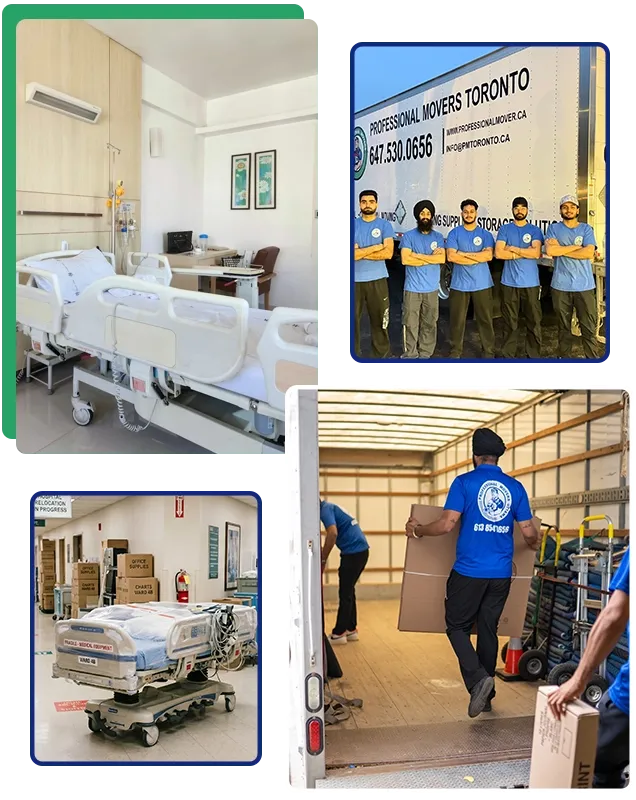
Handling Healthcare Facility Moves Since 2018
Professional Movers Canada has been serving healthcare facilities for over 8 years, supporting clinics and other care environments across the GTA and surrounding regions. We have completed relocations involving multi-suite dental, physiotherapy, and general practice clinics, as well as diagnostic imaging and laboratory equipment moves coordinated alongside technicians. Our work also includes ambulatory care and transitions between outpatient facilities within provincial healthcare networks.
These projects are often carried out in active environments with controlled access, shared loading areas, and fixed timelines, following infection prevention and control practices, including appropriate PPE use, controlled handling to reduce contamination, and clean transport conditions. Each move is executed in accordance with healthcare facility handover requirements, with equipment, furniture, and operational assets placed in a structured manner so that spaces are immediately usable without rehandling or delays after completion.
Certifications & Industry Recognition:
- WSIB Insured
- CAM Certified
- BBB Accredited
- Listed on Verified Movers
Partnerships:
- Dymon Climate-Controlled Storage
- Great Canadian Van Lines
Why Healthcare Moves Demand a Different Standard
Healthcare relocations involve risks that don’t show up in standard office moves. We have supported projects where poor sequencing delayed room readiness and affected opening schedules.
Regulatory awareness: Moves often occur in areas where patient information is present, so teams must work in accordance with the Personal Information Protection and Electronic Documents Act (PIPEDA) and provincial frameworks, such as the Personal Health Information Protection Act (PHIPA) or the Health Information Act (HIA), without disrupting internal protocols.
Equipment sensitivity: Imaging and diagnostic equipment cannot be handled like standard assets. Improper lifting or unstable transport can lead to recalibration issues after setup.
Operational continuity: Clinics run on fixed schedules. Moves are planned so rooms are usable immediately, not days later.
Where general movers fall short: Lack of planning, inadequate equipment, and poor planning with clinic staff.
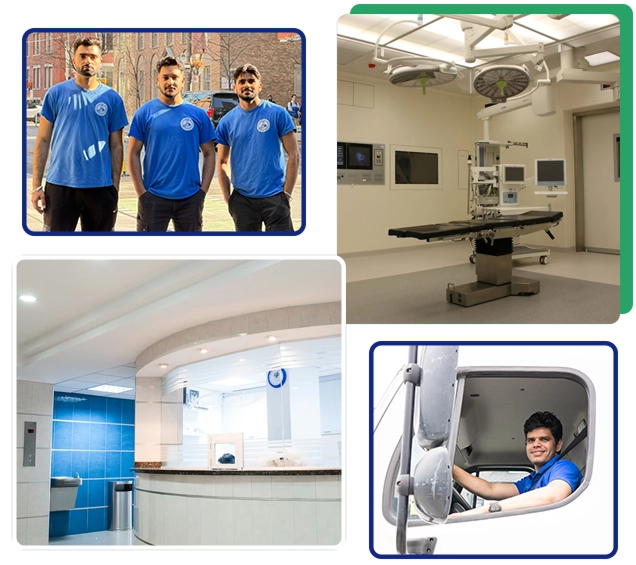
What We Handle Inside Clinics, Hospitals, and Care Environments

Medical clinic relocations
We move exam rooms, reception areas, administrative offices, staff rooms, storage zones, and non-sensitive medical equipment with clear room-by-room planning.

Hospital relocation services
We support department-level moves that require careful sequencing, internal coordination, and organized placement so teams can resume normal facility activity quickly.
Ambulatory and outpatient facilities
As experienced ambulatory care facility movers, we handle relocations for outpatient centres where timing, access, and workflow continuity matter.
Equipment moving support
Our scope includes treatment chairs, diagnostic devices, imaging support equipment, lab furniture, MRI machines, medical refrigeration units, and shelving. Equipment is handled using appropriate lifting methods, stabilization, and positioning practices to prevent damage during transport and placement.

Cold-chain and sample handling policy
We handle laboratory hardware, medical refrigeration units, and related equipment. However, biomedical samples, vaccines, and other temperature-sensitive contents must be transported separately through certified cold-chain logistics providers to maintain compliance and integrity.

IT systems and sensitive components
Computers, servers, and internal systems are moved only after being prepared and secured by your internal team or IT providers. We transport and place designated items as instructed, without accessing or handling internal data systems.
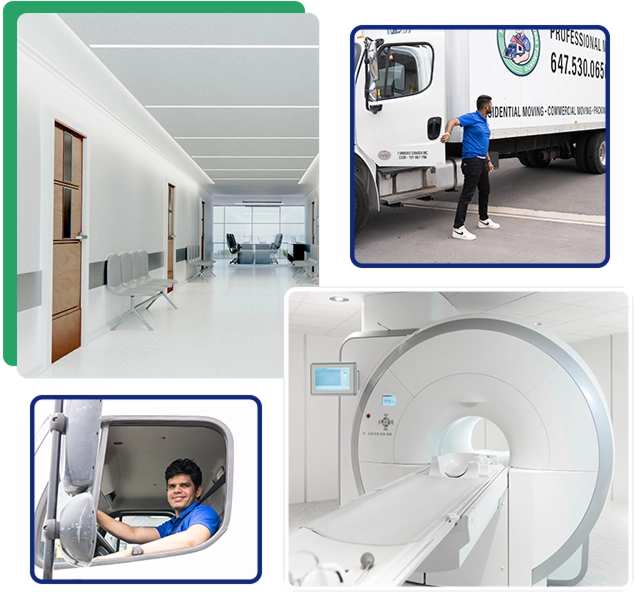
Phased Relocation of a 14-Room Clinic and Imaging Equipment Within Fixed Timelines
These examples reflect how planning decisions directly impact execution on active healthcare sites.
14-room clinic relocation completed within a 36-hour phased schedule:
A multidisciplinary clinic move involving equipment and assets valued at over $1.8M was executed in two stages with restricted dock access and shared building use, and vibration-sensitive transport was applied to delicate equipment. The facility had previously experienced delays caused by improper sequencing by another mover, affecting room readiness. This time, movement was aligned to timed slots, with treatment areas set first, allowing staff to resume work immediately without rearranging rooms or delaying patient schedules.
Imaging unit relocation completed within a fixed six-hour scheduled time window:
A diagnostic setup involving imaging equipment valued at approximately $900K was aligned with OEM technicians. Equipment was released, transported, and positioned within the defined window with zero placement errors, avoiding standby time and ensuring technicians proceeded immediately with setup at the receiving location.
What Our Clients Say After the Move

Moving our 8-room medical clinic over the weekend felt risky, not gonna lie. The team handled everything with care and had us up and running on Monday morning.
Mark Reynolds - Lakeside Family Clinic

We’ve got heavy physiotherapy tables and rehab equipment that need proper handling. The team showed up with the right gear and moved everything without damage. Honestly, it went better than we expected. I’d definitely recommend them!
Ashley D.- Northview Diagnostic Centre
We couldn’t fully shut down during the move. When we relocated in March 2026, they planned it in phases and worked around our hours. Reception, treatment rooms, and equipment were shifted without interrupting our daily schedule. Despite shared elevator delays in our building, honestly, it went better than we expected.
Daniel - Midtown Physiotherapy
How Each Move Is Planned Before Anything Is Moved
Healthcare moves are structured around real site conditions, equipment-handling requirements, and how your team uses the space day-to-day.
- On-site technical audit: We check corridor widths, door clearances, elevator limits, and loading access to confirm how equipment will physically move out and in.
- Pre-move equipment review: Positioning, weight, and handling points are noted so nothing is forced, tilted incorrectly, or handled without proper lifting support or stabilization.
- Room mapping and labelling: Every item is tagged to a specific room, so placement is direct, without guesswork on arrival.
- OEM and vendor alignment: We coordinate staging schedules with OEM-authorized technicians for complex medical equipment relocations.
- Disassembly and packing: Units and fixtures are disassembled where needed and packed based on their structure, using specialized methods.
- Loading and transport: Proper lifting tools and stable transport are used to maintain control throughout movement.
- Placement and setup readiness: Items are positioned as per the layout so teams can begin setup without shifting or delays.
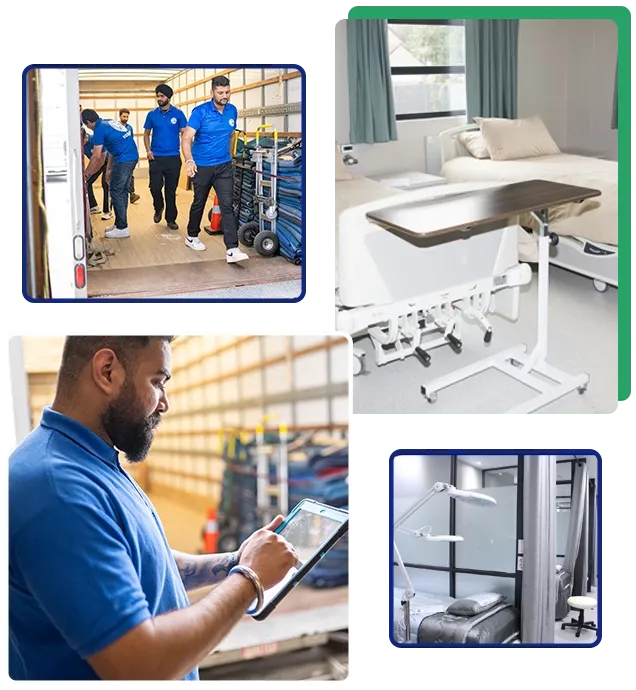
What to Expect in Healthcare Facility Moving Costs
Healthcare moving costs vary based on facility size, equipment type, and access conditions. The following is an expected price range to provide better clarity:
| Facility Type | Typical Setup | Estimated Cost Range |
|---|---|---|
| Small Clinics (Basic Setup) | Few exam rooms, limited equipment | $3,000 – $12,000 |
| Mid-Sized Medical Clinics | Multiple treatment rooms, reception, and moderate equipment | $9,000 – $35,000 |
| Large Facilities / Diagnostic Centres | Imaging equipment, lab setups, hospital departments | $20,000 – $100,000+ |
| Medical Equipment Only Moves | Single or multiple specialized units, like imaging or lab equipment | $2,000 – $20,000+ |
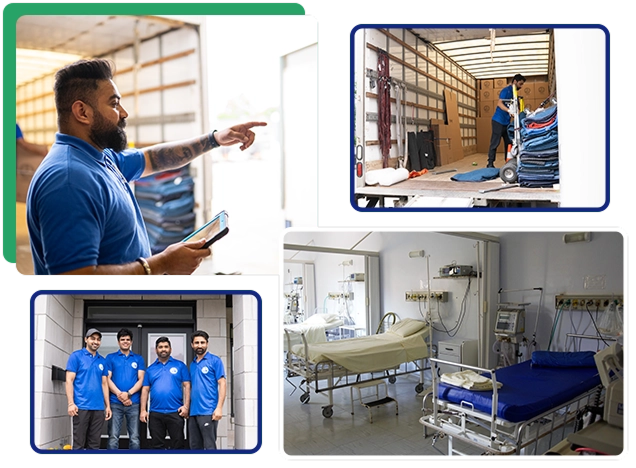
What Needs to Be Prepared Before Moving Day
Before moving day, use this checklist to ensure your healthcare facility relocation stays on schedule and avoids costly delays:
- List all rooms and assets, including equipment needing special handling
- Secure and back up all data, including computers and servers, before moving day
- Assign roles to staff, clarifying what moves, what stays, and access timelines
- Prepare the new site, ensuring access, utilities, and rooms are ready for setup
- Confirm schedules with vendors, including movers, IT, and technicians
- Identify compliance or handling requirements for sensitive equipment and materials
How Your Facility Continues Operating During the Move
In healthcare environments, even a few hours of disruption can affect schedules, staff coordination, and patient flow. Moves are planned around how your facility actually operates day to day.
- Phased relocations: Sections are shifted in planned stages so active areas remain accessible while other spaces are being set up.
- Overnight execution: Work is carried out after closing hours, so there is no interference with appointments or clinical activity.
- Critical path focus: IT rooms, reception, and essential treatment areas are positioned first to support immediate functionality.
- Weekend and after-hours work: Scheduling is aligned with building access and internal availability to avoid congestion, delays, or unnecessary pressure on your team.
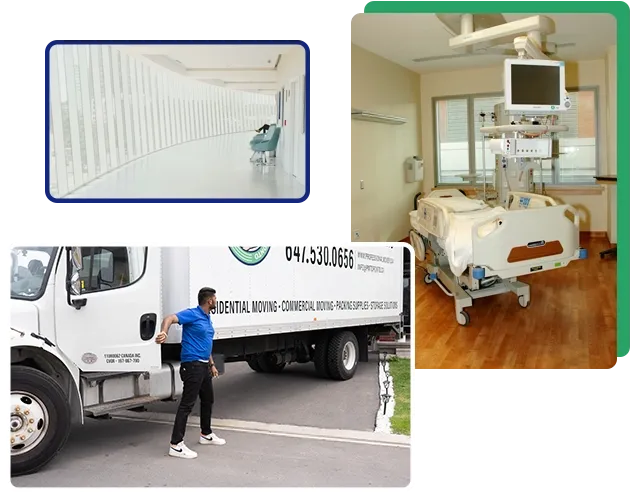
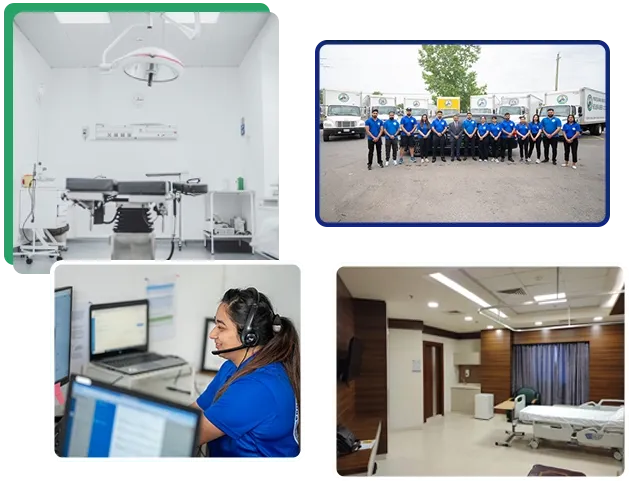
Why Healthcare Providers Choose Professional Movers Canada
Healthcare teams work with us because our approach aligns with how facilities operate under real-world conditions. We’ve supported clinic moves where access was limited, elevators were shared, and timing had to align with building management rules.
- Experience in active environments: Work is carried out in spaces that remain partially in use, requiring awareness of staff movement and restricted areas.
- Crew familiarity with equipment handling: Teams understand how to move medical units, carts, and fixtures without forcing repositioning later.
- Planning before execution: Layouts, access routes, and placement are reviewed in advance to avoid delays on moving day.
- Consistent communication: One point of contact ensures updates, timing, and adjustments are clear throughout the entire process.
Moving Tips and Planning Guides

September 16. 2026
How Much Do Movers Cost in Toronto in 2026? Hourly Rates, Home Size & Examples
At Professional Movers Toronto, our regular-day rate for two movers is currently $129–$139 per hour, while peak-day pricing starts at…
Read More
September 3. 2026
Burnaby Strata Moving Rules: Approval, Fees and Elevator Booking
Moving into a Burnaby condo can seem simple at first. You choose a date, book the movers and arrange the…
Read More
August 26. 2026
7 Secrets to Find The Best Toronto Mover
Finding movers is not hard. But it takes time to pick the best and most reliable mover in a busy…
Read More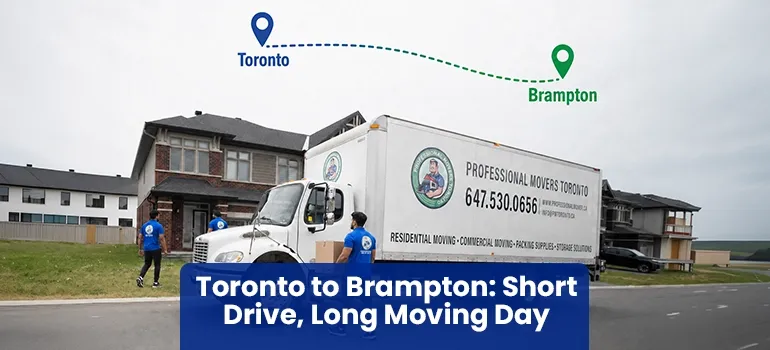
August 24. 2026
Moving From Toronto to Brampton: Why a 40-Minute Drive Can Still Become a Multi-Hour Move!
A Toronto-to-Brampton move can look straightforward on a map. Your route planner may show a drive of around 40 minutes.…
Read More
August 21. 2026
Moving Schools in Canada: Mid-Year and Summer Planning for Families
A family move can change more than the address on a school record. A new home may also mean a…
Read More
August 18. 2026
Moving From Toronto to Vancouver: How an Extra $2,000 Can Add Up for Families
A Toronto-to-Vancouver move covers roughly 4,300 kilometres by road, and for families, the moving quote is only one part of…
Read More
August 7. 2026
Moving to Hamilton With Kids? What Families Need to Coordinate Before Moving Day
Moving to Hamilton with children means juggling several dates at once. You may be dealing with the day you get…
Read More
July 31. 2026
Moving Aging Parents in Canada: Housing, Accessibility and Family Planning
Moving aging parents to a new home in Canada is rarely just about real estate. The housing decision, family planning…
Read More
July 23. 2026
Moving From Montreal to Toronto? What to Know Before You Book Movers
If you are planning a move from Montreal to Toronto, you are probably wondering how early to book movers, what…
Read More
July 16. 2026
How to Compare Moving Companies in Belleville Before You Book
Finding a mover in Belleville can become confusing once the quotes start arriving. One company may show a low hourly…
Read MoreWhat Healthcare Teams Ask Before Moving Facilities
We need your floor plans, equipment list, access details, timelines, and vendor involvement so the quote reflects actual site conditions, not assumptions or incomplete information.
We do not manage patient records directly. Your team secures sensitive files, and we move designated items once cleared, ensuring no interference with internal data protocols.
Yes, we handle positioning and transport using proper equipment, coordinating with OEM technicians who manage disconnection, calibration, and technical setup before and after the move process.
We plan moves around operating schedules, working in sections or off-hours, ensuring patient flow, staff movement, and critical areas remain accessible without interrupting ongoing clinical activity.
Yes, through our partner facilities, we arrange secure, climate-controlled storage when staging is required, ensuring items remain protected until your new space is ready for placement.