
Professional Gym Equipment Moving Services for Home and Commercial Facilities
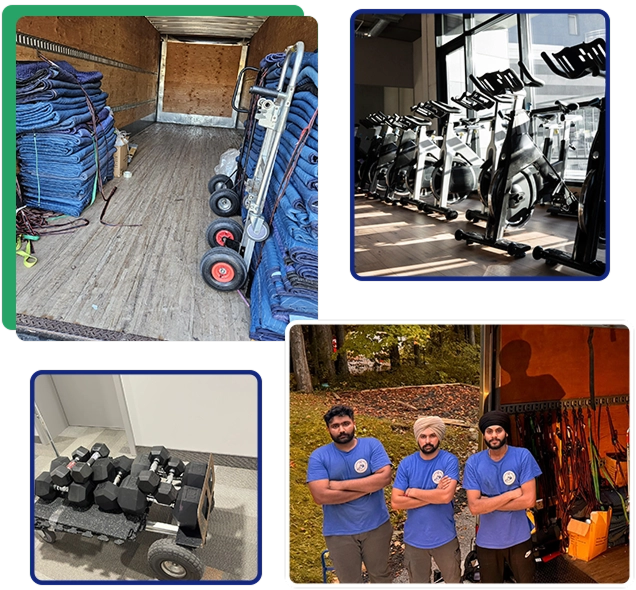
Moving heavy fitness gear requires precision and strength. With 8+ years of professional experience, we expertly haul heavy equipment such as cardio machines, functional trainers, and multi-stack cable machines. Our crew tackles the teardown and transport, delivering a safe, scratch-free setup whether you run a basement studio or a massive fitness center.





Certified Gym Movers - Moving Since 2018
Professional Movers Canada has worked on gym relocations that go beyond lifting and loading. From compact home setups to busy training facilities, we’ve moved equipment that needs proper disassembly, controlled lifting, and precise placement during reinstallation.
Years of on-site work have built a real understanding of how machines behave when shifted, especially multi-station units, cable systems, and plate-loaded structures. Each component is treated based on its build, so nothing gets forced, misaligned, or stressed during the move.
Planning stays consistent across every project, keeping both equipment and surrounding spaces protected as work progresses in a structured manner.
Our Industry Credentials
- BBB Accredited – Proven record of customer trust and complaint resolution
- CAM Certified – Follows regulated Canadian moving standards
- CFIB Member – Recognized independent Canadian business
- Verified Movers Approved – Screened and trusted moving company listing
Services Built Around How Gym Equipment Is Actually Moved


What Makes Gym Equipment Harder to Move Than Others?
Gym equipment is harder to move because every setup behaves differently depending on how it is built and used. In Canada, commercial gyms often have bolted rigs, weighted machines, and integrated flooring systems that cannot be shifted in one piece. Equipment like power racks, strongman implements, and cable systems requires careful disassembly to avoid misalignment during reinstallation. Rehabilitation and aquatic equipment add another layer, as calibration and water-based components need controlled handling.
Even in smaller studios, tight layouts and mixed-use training zones limit access for lifting and loading. We handle these differences by assessing each facility type individually, planning dismantling steps in sequence, and ensuring that equipment is transported and reinstalled to maintain its original setup and function.
Different Gym Setups We’ve Moved Over the Years
Large Commercial Gyms
Boutique Fitness Studios

Yoga Pilates Barre and Dance Studios
Strength and Powerlifting Gyms

Strongman Training Facilities
Functional Training Gyms
CrossFit and HYROX Style Centers
Martial Arts, Boxing, and Combat Sports Gyms

Wrestling and Grappling Training Centers

Rock Climbing and Adventure Fitness Centers
Physiotherapy Rehabilitation Centers
Aquatic Fitness Facilities
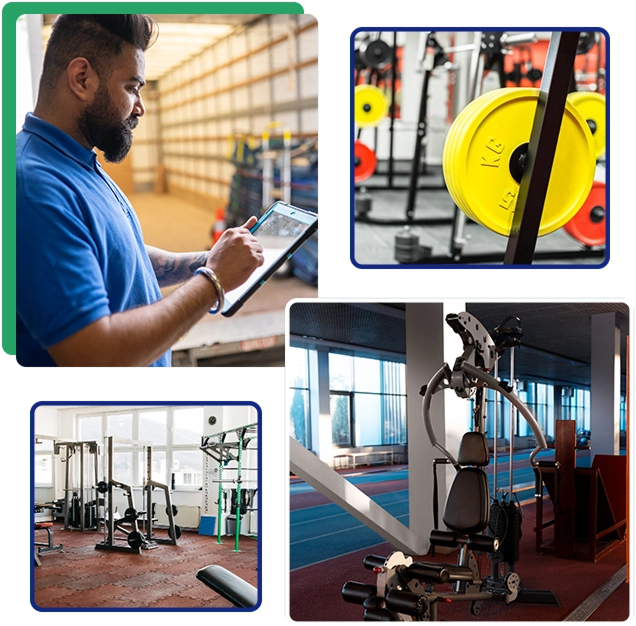
Handling Complex and Awkward Gym Equipment Is What We Do
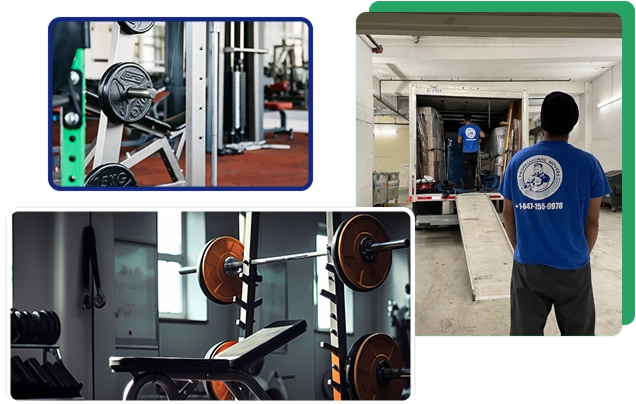
We move gym equipment of all types, including fixed, freestanding, and heavy-duty training systems that require careful handling during relocation. Every item is assessed based on how it is built, used, and transported as a complete unit.
Types of Complex Gym Equipment We Have Moved
- Cable crossover systems and multi-station rigs
- Anchored power racks and squat frames
- Strongman equipment like yokes, logs, and atlas stones
- Commercial treadmills and curved running machines
- Plate-loaded strength machines and Smith systems
- CrossFit rigs and training structures
- Physiotherapy and rehab machines
- Hydrotherapy and aquatic systems
- Climbing and grip training structures
- Heavy free-weight storage systems
How We Handle Moving Heavy and Sensitive Equipment
- Curved Treadmills: Access is checked for turns and clearance. Base gets full support, never lifted from console. Carried level by two or three movers, kept upright in the truck, strapped tight. Reset on site, belt checked.
- Cable Crossover Machines: Our team marks cable routing first. Handles and stacks come off, and towers are dismantled in order. Pulleys stay aligned, parts wrapped separately. Movers carry frames in sections, then rebuild and route cables back correctly.
- Smith Machines: The bar is secured before anything moves. Plates removed, guide rods fixed, frame split into manageable sections. Our movers carry uprights separately, load flat and supported, then set the rails back and check bar movement.
- Atlas Stones: The area is cleared before lifting begins. Each stone is handled one at a time using grip support. Movers load them individually, block them from rolling, and place them down in a controlled way.
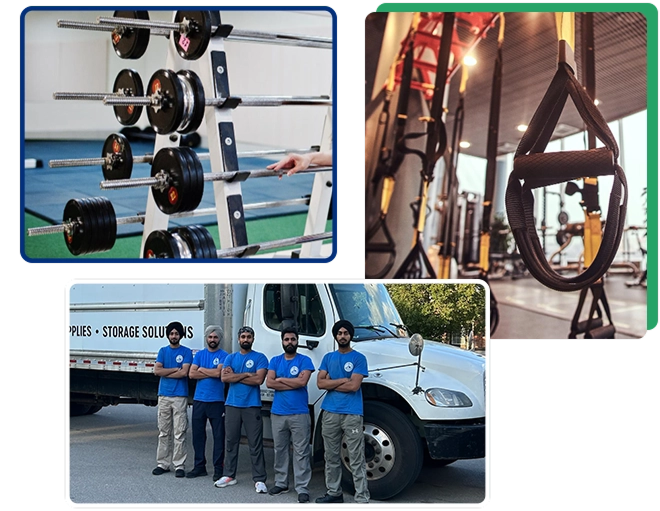
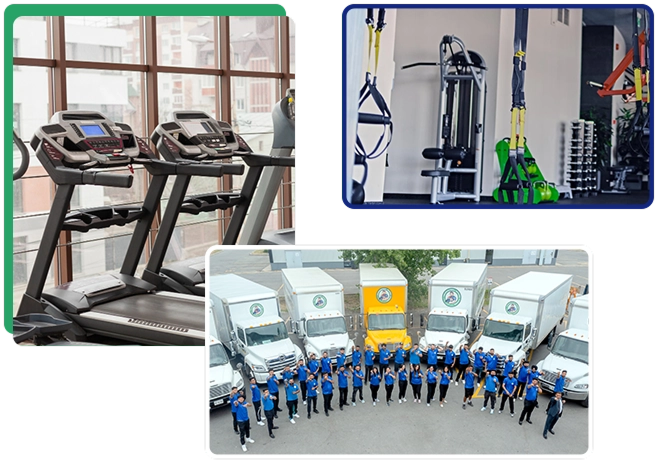
Full Gym Relocation with Treadmills and Cable Systems
IronCore Fitness was shifting to a larger unit to expand floor space and add more equipment. The move covered 30 km and included 6 commercial treadmills and 3 cable machines set up in a tight layout.
The treadmills were the main challenge. The exit had a narrow turn, and these units carried most of their weight at the front. Instead of forcing them through, the carry angle was adjusted, and each unit was supported from the base, keeping them upright during handling and loading.
Cable machines were handled differently. Cable paths were noted before dismantling, stacks were secured, and towers were taken down in order so nothing got mixed. This kept the reassembly clean at the new space.
The full move took around 8 hours. Everything was set back in working condition, aligned with the previous setup without delays or damage.
How Does Our Gym's Moving Process Work?

Access Mapping and Equipment Tagging
We map carry paths, measure clearances at doors and turns, check stairs and elevator limits, and tag every part so nothing gets mixed during the move.

Targeted Strip-Down
Only what blocks movement is removed. Weight stacks are pinned, cables are released in order, wiring is protected, and hardware is bagged with its unit.

Impact Protection and Floor Prep
Frames, consoles, and contact points are wrapped with layered blankets and reinforced edges. Floors, thresholds, and corners are covered before any lift begins.

Balanced Loading and Secured Transit
Heavier pieces go first to build a stable base. Weight is distributed across the deck, machines are positioned tightly, and locked in with rated straps to prevent shifting.

Setback, Alignment and Function Check
Equipment is placed to match the planned layout, fasteners are tightened, parts are reconnected, and each unit is run briefly to confirm it works as expected.
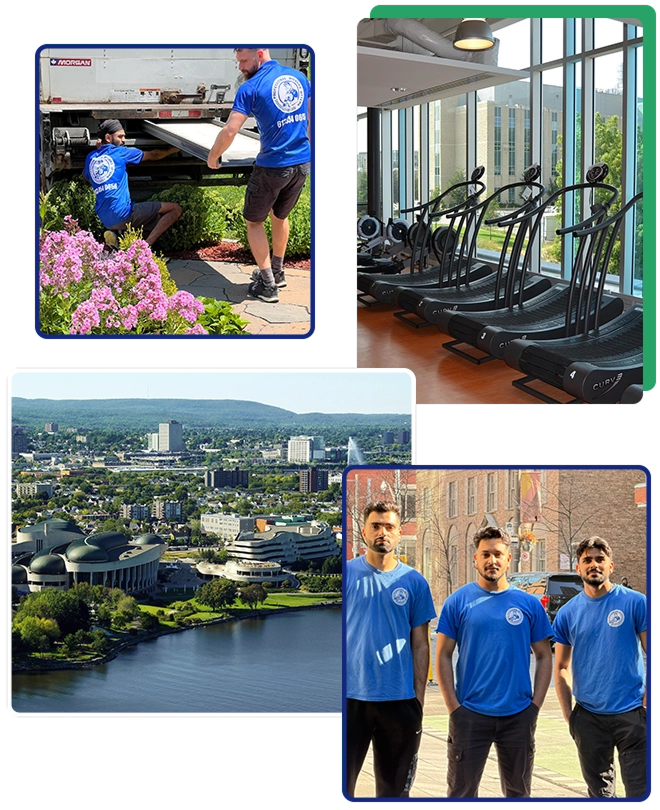
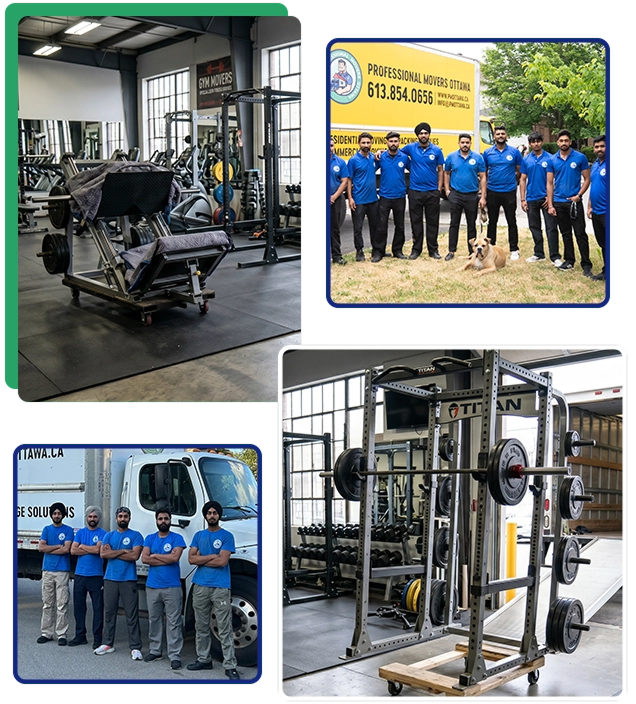
Why Clients Choose Our Gym Equipment Movers?

Specialized Moving Tools
At Professional Movers Canada, we use purpose-built equipment such as appliance dollies, floor runners, lift supports, and high-torque tools to handle heavy and awkward gym machines without straining frames, joints, or surrounding surfaces.

Trained Equipment Handlers
Our team is trained specifically in moving fitness equipment. This includes understanding how different machines are assembled, how weight is distributed, and how to handle them without causing internal or external damage.

Full Coverage for High-Value Equipment
Every move is backed by proper href="https://professionalmover.ca/moving-insurance/">insurance coverage, so high-ticket machines and systems are protected throughout handling, transport, and placement.

Structured Safety Approach
We follow a consistent handling method focused on controlled lifting, secure positioning, and careful movement through tight or high-traffic areas to reduce risk during the move.
Client Feedback From Their Moves

We had a curved treadmill to move in Vancouver, and honestly, I thought it would get stuck on the way out. The team handled it without any damage and didn’t make a big deal out of it. Just got it done.
Michael Thompson

Had them move our rack and a couple of plate machines to a new space. Everything showed up the same way, nothing was scratched or off. Pretty straightforward experience.
Jacob F.
We needed help with atlas stones and a yoke. It’s awkward stuff and not easy to carry around, but they managed it properly and didn’t slow things down.
Daniel Carter
Average Hourly Cost of Gym Equipment Movers
Important Pricing Notes
- Toronto moves: Minimum 2 hours (travel time not included)
- Vancouver moves: Minimum 2 hours + travel time applicable
- Pricing may vary on peak vs regular dates, confirm before booking
- Truck fees are separate, confirm in advance
- Final cost depends on job size, distance, and demand
| Team Size | Hourly Rate (CAD) | Estimated Job Cost | Typical Duration | Best For |
|---|---|---|---|---|
| 2 Movers | $150 – $170/hr | $750 – $1,020 | 5–6 hours | Small gym setups, light equipment, easy access moves |
| 3 Movers | $200 – $250/hr | $1,200 – $2,000 | 6–8 hours | Mid-size gyms, treadmills, cable machines, moderate complexity |
| 4 Movers | $280 – $300/hr | $2,520 – $3,000 | 9–10 hours | Large gyms, heavy equipment, complex layouts, full setups |
Useful Tips You Can Follow to Make Your Gym Move Smooth
Clear the floor before the crew starts working
Most delays happen around loose plates, mats, and small items left around machines. Keeping walk paths open makes heavy lifts safer and quicker.
Have a quick reference of your setup
A simple phone photo of each machine layout is enough. It helps when placing equipment back so the space doesn’t feel rearranged randomly.
Keep all small parts grouped per machine
Pins, handles, and attachments often get misplaced during busy moves. Keeping them together avoids missing pieces at reassembly.
Don’t try to loosen stuck or anchored equipment yourself
If something is fixed into the flooring or feels jammed, it’s better left alone until the crew handles it properly on site.
Stay reachable during the move, not hands-on
Quick decisions about spacing or placement are common, especially in tight gym layouts. Being available saves time.
If the equipment is high-end or custom-built, involve your technician if needed
Some machines have specific setup requirements. A technician can help confirm correct positioning and function after everything is put back in place.
Moving Tips and Planning Guides
September 16. 2026
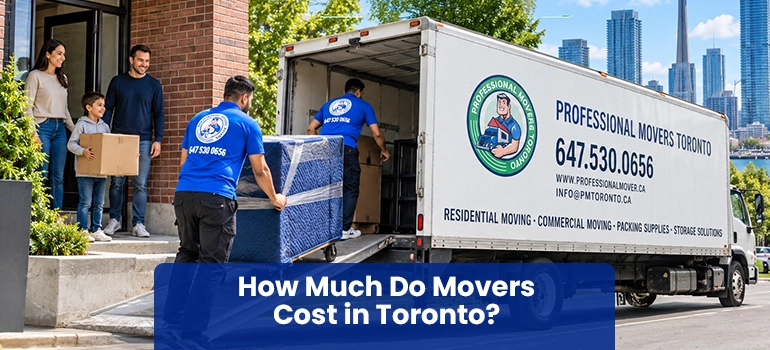
How Much Do Movers Cost in Toronto in 2026? Hourly Rates, Home Size & Examples
At Professional Movers Toronto, our regular-day rate for two movers is currently $129–$139 per hour, while peak-day pricing starts at…
Read More
September 3. 2026
Burnaby Strata Moving Rules: Approval, Fees and Elevator Booking
Moving into a Burnaby condo can seem simple at first. You choose a date, book the movers and arrange the…
Read More
August 26. 2026
7 Secrets to Find The Best Toronto Mover
Finding movers is not hard. But it takes time to pick the best and most reliable mover in a busy…
Read More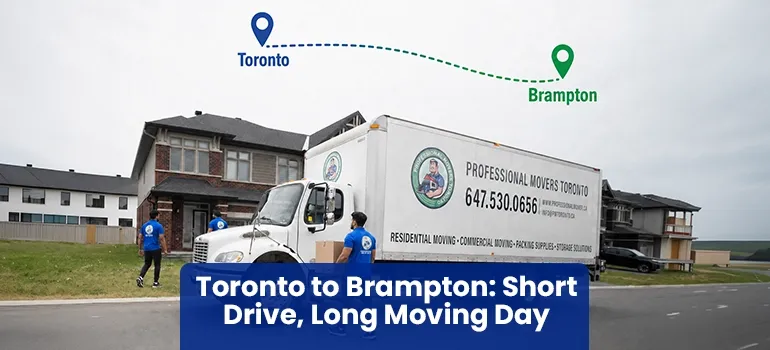
August 24. 2026
Moving From Toronto to Brampton: Why a 40-Minute Drive Can Still Become a Multi-Hour Move!
A Toronto-to-Brampton move can look straightforward on a map. Your route planner may show a drive of around 40 minutes.…
Read More
August 21. 2026
Moving Schools in Canada: Mid-Year and Summer Planning for Families
A family move can change more than the address on a school record. A new home may also mean a…
Read More
August 18. 2026
Moving From Toronto to Vancouver: How an Extra $2,000 Can Add Up for Families
A Toronto-to-Vancouver move covers roughly 4,300 kilometres by road, and for families, the moving quote is only one part of…
Read More
August 7. 2026
Moving to Hamilton With Kids? What Families Need to Coordinate Before Moving Day
Moving to Hamilton with children means juggling several dates at once. You may be dealing with the day you get…
Read More
July 31. 2026
Moving Aging Parents in Canada: Housing, Accessibility and Family Planning
Moving aging parents to a new home in Canada is rarely just about real estate. The housing decision, family planning…
Read More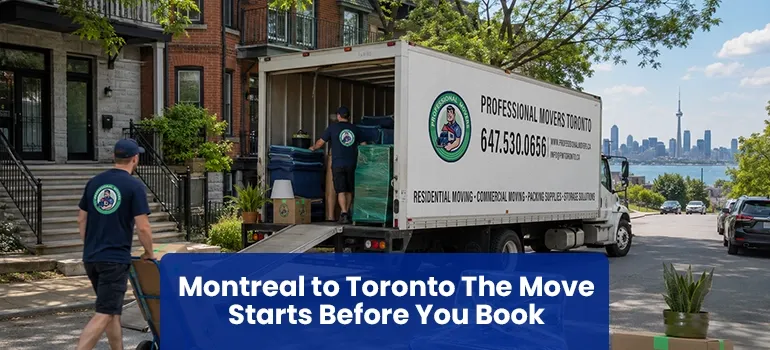
July 23. 2026
Moving From Montreal to Toronto? What to Know Before You Book Movers
If you are planning a move from Montreal to Toronto, you are probably wondering how early to book movers, what…
Read More
July 16. 2026
How to Compare Moving Companies in Belleville Before You Book
Finding a mover in Belleville can become confusing once the quotes start arriving. One company may show a low hourly…
Read MoreFrequently Asked Gym Moving Questions
Most issues happen when people try to lift from the wrong points. Treadmills, racks, and cable machines don’t behave like normal furniture, the weight shifts as soon as you tilt them. In most cases, people only realize the difficulty halfway through a staircase or tight doorway, which is where damage usually starts.
The stack is usually under tension, so it’s not just about pulling plates out. If the selector pin is still engaged or the rods aren’t aligned, the plates can jam or drop unevenly. That’s why it’s typically handled in a controlled release, one section at a time.
These units look simple but aren’t. Once cables and pulleys are involved, everything is connected in sequence. If one side is loosened without tracking the setup, it becomes difficult to reassemble correctly later. Most of the time is actually spent just keeping parts in order.
Disassemble only necessary parts, label each component, and secure bolts and cables separately. Lift using proper support points, avoid dragging, and keep items grouped per machine to ensure correct reassembly later.
The difference usually shows in how they handle equipment, not what they claim. If a team has worked with commercial treadmills, racks, and cable systems before, they tend to know what can go wrong during tight moves. Asking about past gym work usually tells more than pricing alone.